
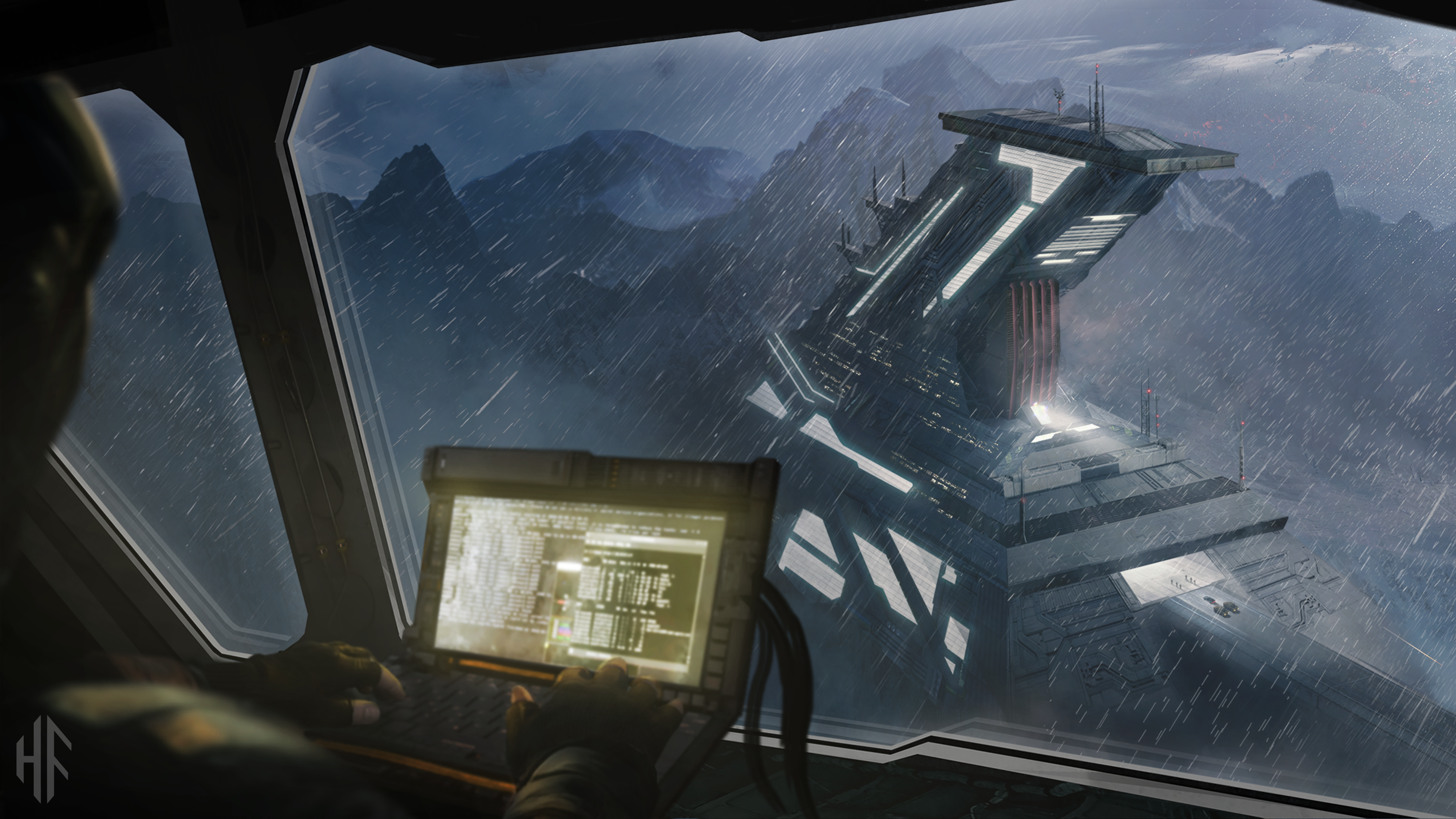
Difficulty labels are useful only when they describe the work a learner actually performs. A realistic mission should force planning, evidence capture, reporting discipline, and controlled decision-making.
The Armory content model treats scenarios as operational practice, not trophy collection. A strong report must explain what was tested, what evidence was produced, and how the activity maps back to legitimate lab or defensive learning goals.
Why difficulty labels drift so fast
Teams usually assign “easy,” “medium,” or “hard” based on the author’s intuition. That breaks down quickly because learner experience changes the shape of the same mission:
- A recon-heavy scenario feels easy to an operator with strong source triage habits.
- The same scenario feels hard to someone who treats every lead as equal and wastes the first hour.
- A technically simple chain becomes difficult when the review standard demands timestamps, rationale, and explicit stop conditions.
Difficulty labels compress too many variables into one badge. Mission realism exposes those variables instead of hiding them.
What realistic scenarios actually measure
Useful training scenarios measure behaviors that transfer outside the lab:
| Scenario quality | What the learner must demonstrate |
|---|---|
| Briefing clarity | Understand the objective and scope before acting |
| Decision pressure | Choose between defensible paths with tradeoffs |
| Evidence discipline | Capture proof that survives reviewer scrutiny |
| Reporting quality | Explain what happened without hype or missing steps |
| Defensive awareness | Name likely detections and limits inside the mission |
This is why HackerForce scenarios pair naturally with evidence-first reporting and decision-point chain design. The mission is not complete when the learner touches the final host. It is complete when the reasoning and evidence remain legible afterward.
A better replacement for simple difficulty tags
Instead of telling learners a mission is merely “hard,” publish the variables that matter:
- Primary skill domain stressed.
- Expected evidence artifacts.
- Time box for planning, execution, and reporting.
- Detection or scope constraints that shape the path.
- Prerequisite judgment the learner should already have.
That framing helps operators select the right scenario for the week and helps reviewers explain why the result was strong or weak without turning the archive into gamified noise.
What this means for learners
When choosing your next mission in The Armory, do not ask only, “Is this advanced?” Ask:
- What decision will this mission force me to justify?
- What artifact will prove I handled that decision well?
- What constraint makes the path realistic?
If you cannot answer those questions from the briefing, the problem is not that the mission lacks a difficulty label. The problem is that the mission needs a sharper operational design.
Continue the thread in Intelligence Reports or bring sanitized debrief notes into Discord for peer review on training quality.