
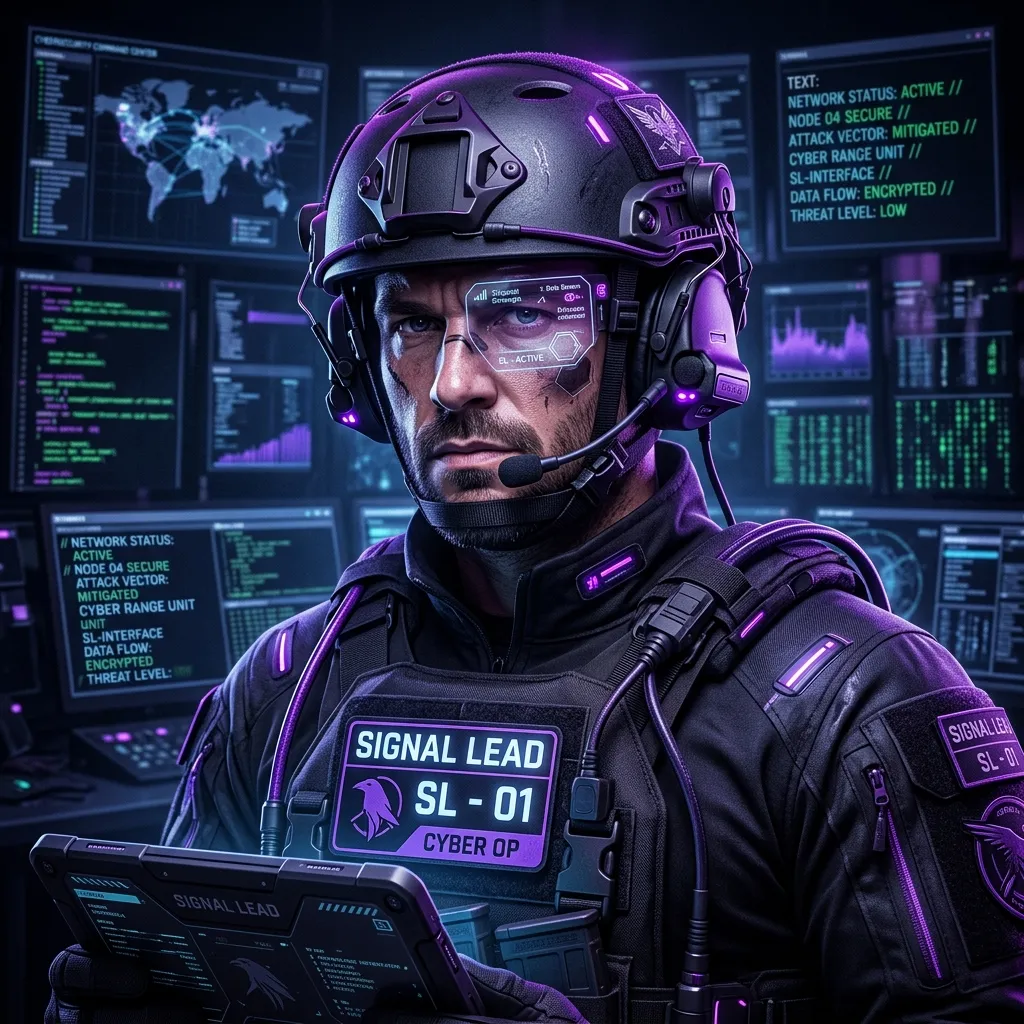
Detection engineering improves when Red Team activity is described as behaviors with evidence, not as tool brands. A feedback loop between lab operators and defenders should produce hypotheses you can test, tune, and retire.
This note is for defensive research and authorized purple-team workflows inside training environments.
The feedback loop in four steps
- Ingest operator report - timeline, scope, and claimed outcomes only.
- Extract behaviors - authentication patterns, staging, lateral movement class, exfil shape.
- Draft detection hypotheses - expected data sources and false-positive risks.
- Validate in lab - replay or simulate within authorized telemetry.
Skip step one and you build detections for stories, not events.
Behavior statements beat IOC laundry lists
Weak: “Detect Tool X.”
Strong: “Detect anomalous service account authentication to an identity provider admin API from a non-admin workstation segment during business hours simulation.”
Pair each hypothesis with:
- Required log sources
- Expected true-positive scenario in lab
- Known benign lookalikes in the training environment
Use Red Team reports as test oracles
When operators document evidence-first reporting, defenders gain oracles:
| Report element | Detection artifact |
|---|---|
| Timestamped step | Correlation rule window |
| Blocked attempt | Negative test case |
| Chosen path | Priority detection candidate |
| Omitted path | Coverage gap to schedule |
Tuning discipline
- Version detection logic with the lab template it was validated against.
- Record false positives observed during class runs - students generate noise on purpose.
- Retire signatures tied to deprecated lab builds.
Connect offense and defense training
Operators practicing C2 baselines in lab should see defender feedback in debrief. Defenders reviewing Armory missions should read mission design notes to understand intent.
Explore scenario catalog context on The Armory. Share defensive research questions through Intelligence Reports and the HackerForce Discord defensive channels - without posting live customer telemetry.